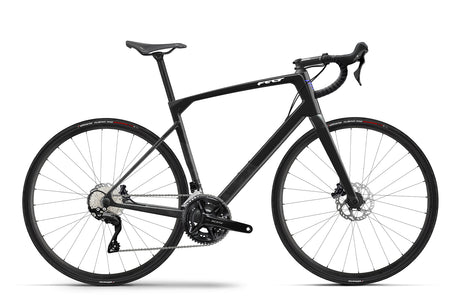

The rise of new technologies and the emergence of new materials have radically transformed daily life. The world of cycling, both professional and amateur, has also benefited. Classic steel bicycles have given way to those made of aluminum or carbon fiber.
Are you planning to buy a carbon fiber bike? Several factors need to be considered when purchasing a bicycle , particularly the frame composition, which is essentially the backbone of your bike and where all the other components are attached. Depending on your intended use, choosing the right material will allow you to fully benefit from your bike's potential.
1. Lightness
The weight of a bicycle is one of the first criteria to consider. Indeed, a heavy bike is ideal for downhill riding or cycle touring, taking into account the added load and the long distances you'll be covering. If you're looking for a more sporty ride, a lighter bike is the way to go.
Carbon fiber is an extremely lightweight composite material (twice as light as aluminum). You can choose a carbon fiber frame and fork for a more maneuverable bike. It's also possible to combine a carbon fiber fork with an aluminum frame if you want a stronger frame while reducing the overall weight of your bike.
2. Comfort
Your bike should be maneuverable and comfortable while providing a great riding experience. Carbon fiber is a material that is much more resistant to tension than aluminum. Thanks to its lightweight yet strong nature, carbon fiber offers numerous manufacturing options and can be molded into virtually any shape. Its composition allows for a balance of rigidity and flexibility in frame design, enabling you to tailor the frame to your specific sport. For example, a carbon fork increases front-end stiffness, thus improving stability.
There are four types of carbon fiber on the market:
HR (High Resistance)
They offer you the best shock absorption due to their ability to deform.
IM (Intermediate Module)
They allow for good frame rigidity and high resistance, shocks are well absorbed and power transmission is excellent.
HM (High Module)
They are considered "high-end" because their optimal rigidity and low weight are ideal for maximizing power transmission. However, your frame will be more fragile, as these fibers can be more prone to breakage.
VHM (Very High Module)
These carbon fibers are used only in conjunction with other fibers to enhance the rigidity of your bicycle. They are also the most brittle.
3. Performance
Carbon fiber bikes are particularly well-suited for racing. In fact, they are the most commonly used in competitions because carbon fiber's aerodynamics allow for improved top speed. A carbon fiber bike will have low air resistance and give you the opportunity to push your limits.
For an experienced cyclist who practices their sport regularly, the options offered by carbon fiber allow you to fine-tune the possibilities of your bike to the maximum. If you are looking for performance, then opt for a carbon fiber frame which will allow you to combine comfort and sporting prowess.
As you've probably gathered, carbon fiber bikes are particularly well-suited to regular and intense cycling. While they are certainly more fragile in the event of a fall, they offer a wider range of options to suit your needs. Furthermore, carbon fiber provides excellent resistance to corrosion and weathering, which is a significant advantage.